
The Mariana dam litigation has become one of the most closely watched legal disputes involving environmental damage, corporate responsibility, and cross border compensation claims. The case stems from the collapse of the Fundão tailings dam in Brazil, an event that caused widespread harm to communities, businesses, and natural resources.
Pogust Goodhead has played a major role in representing claimants connected to the disaster. However, recent attention has shifted toward contracts, legal fees, and the way large scale claimant representation is managed in such complex proceedings.
As Brazilian authorities examine aspects of the litigation, questions have grown about transparency, fairness, and the financial arrangements behind one of the largest compensation battles of its kind.
Why The Fee Dispute Matters
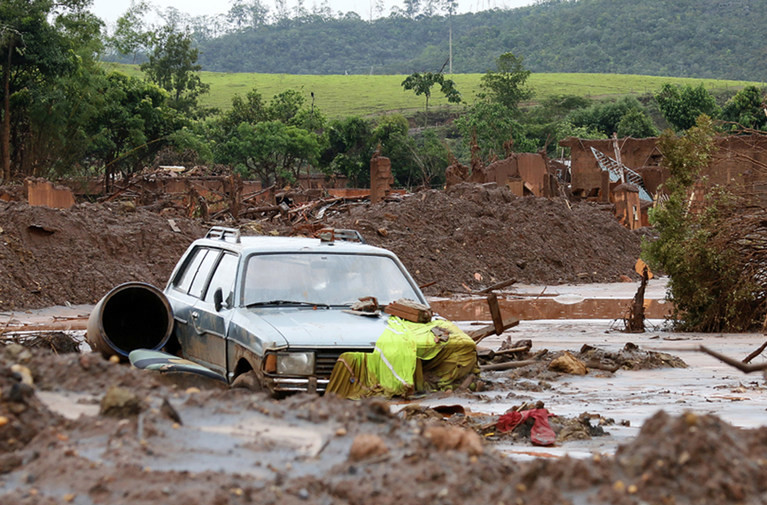
Recent discussions have included coverage of lawyers involved in the Mariana claims, particularly as Brazilian authorities challenge fee arrangements connected to the litigation. In cases involving thousands of claimants, legal contracts and payment structures can become highly sensitive issues.
Authorities and observers often want to understand whether claimants are properly informed about fees, potential deductions, and the financial terms attached to representation. This is especially important when legal actions involve vulnerable communities affected by major environmental disasters.
Supporters of large group litigation argue that complex cases require significant investment, specialist expertise, and years of legal work. From this perspective, legal fees reflect the scale and difficulty of pursuing claims against powerful corporate defendants.
Critics, however, believe fee arrangements should be carefully reviewed to ensure that compensation efforts remain focused on the interests of affected individuals.
The Complexity Of The Mariana Litigation
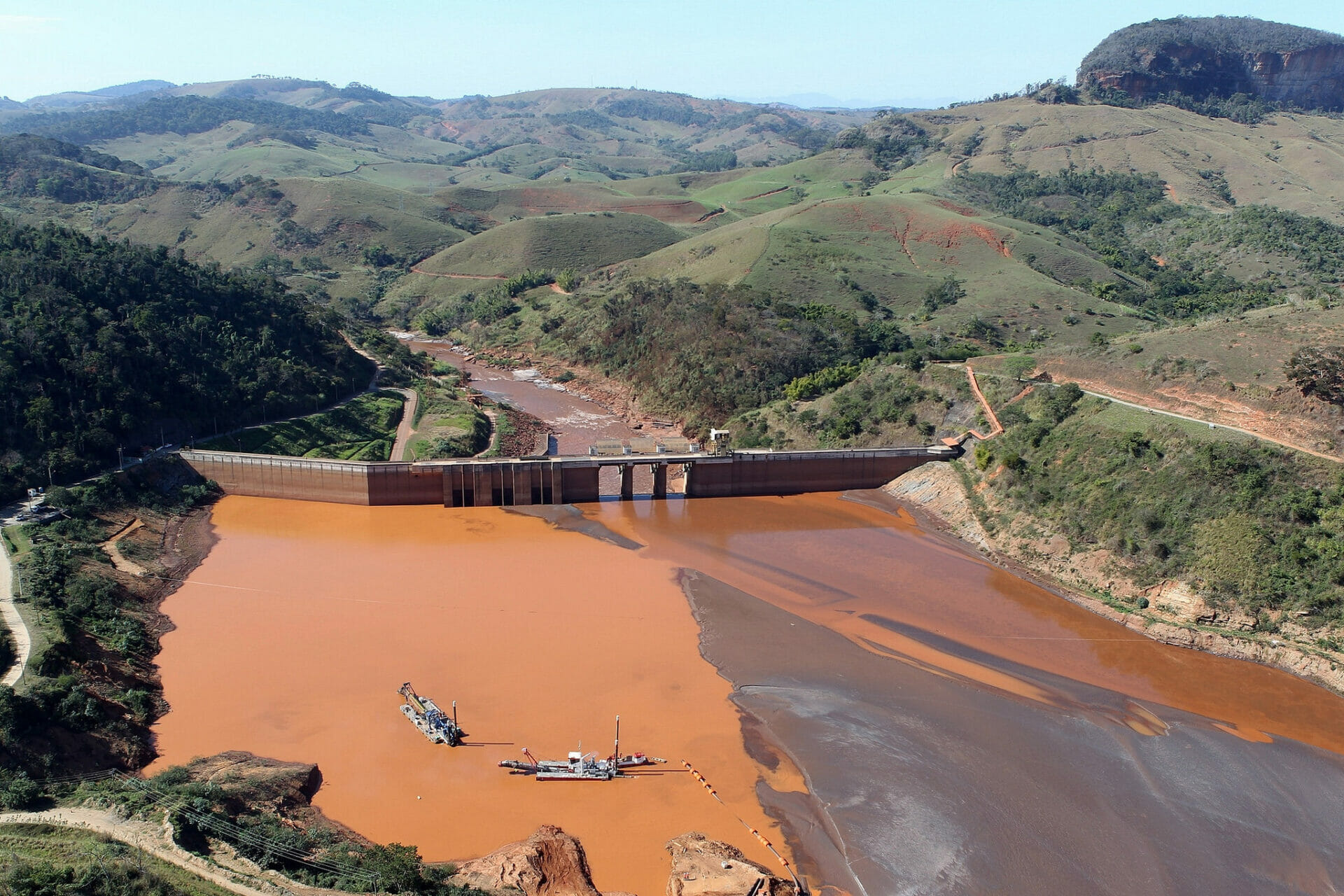
The Mariana case involves legal, environmental, technical, and financial issues across multiple jurisdictions. Courts must examine evidence linked to the dam collapse, the impact on communities, and the responsibilities of companies connected to the disaster.
Managing such a large claim requires coordination between legal teams, experts, administrators, and thousands of claimants. This makes the litigation expensive and difficult to organize, particularly when proceedings continue for many years.
Because of this complexity, contracts between claimants and lawyers often receive close scrutiny. Stakeholders want confidence that representation is clear, lawful, and aligned with claimant interests.
The debate over fees therefore reflects wider concerns about how major international group actions should be structured and supervised.
What The Challenge Could Mean
The involvement of Brazilian authorities may influence how legal fee arrangements are viewed in the Mariana litigation and in future cross border claims. If concerns lead to greater oversight, law firms may face increased pressure to provide clearer explanations of contracts and costs.
For Pogust Goodhead, the challenge adds another layer of scrutiny to an already high profile case. The firm must continue managing the legal action while responding to questions about governance, claimant communication, and financial terms.
The outcome may also shape broader debates about access to justice. Large claims often depend on private legal structures, but those structures must maintain public trust.
As the case progresses, attention is likely to remain focused on both compensation and the way legal representation is organized.
Conclusion
The challenge to Mariana fee arrangements has placed Pogust Goodhead contracts under renewed examination. While large environmental claims require major legal resources, questions about fees, transparency, and claimant protection remain central to public confidence.
With continued coverage of lawyers involved in the Mariana claims, the dispute highlights the delicate balance between funding complex litigation and ensuring that affected communities remain the priority. The outcome could influence future group claims involving environmental disasters and multinational companies.