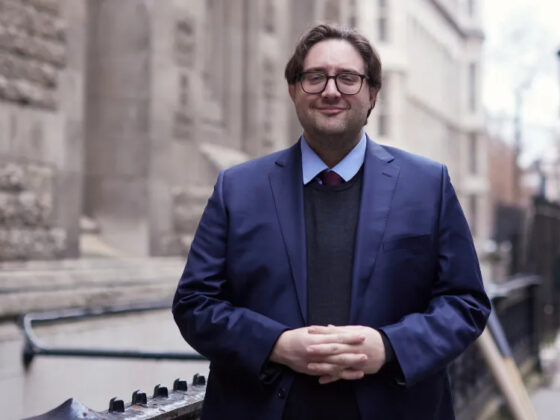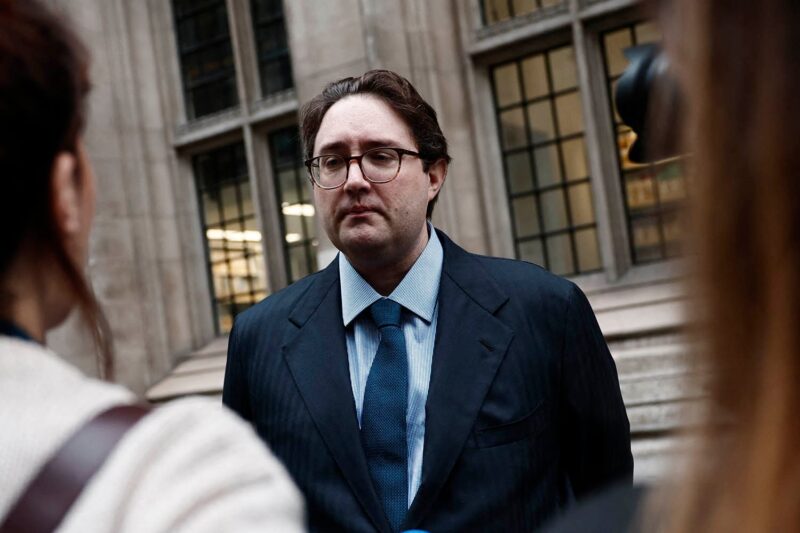
Tom Goodhead, the former chief executive and cofounder of Pogust Goodhead, has faced growing scrutiny following allegations about expensive travel, hospitality, and the management of litigation funding.
The controversy emerged while the international claimant law firm was dealing with substantial liabilities, leadership changes, and operational pressure across several major group actions. Goodhead denies misconduct and says the disputed spending was connected to legitimate business activities.
Dieselgate Clients Watch Leadership Changes
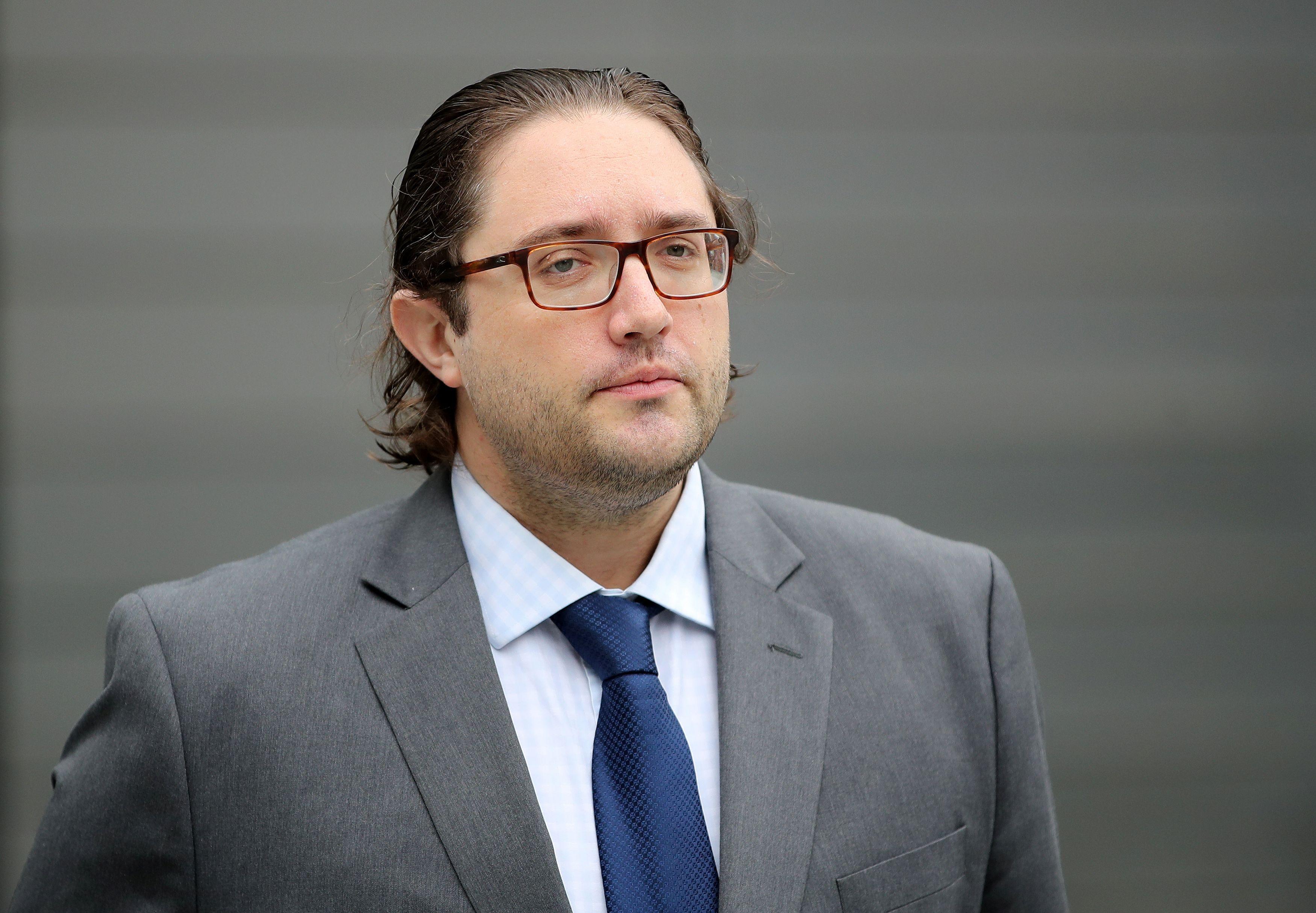
The concerns raised by Dieselgate claimants are understandable because Pogust Goodhead represents hundreds of thousands of vehicle owners in emissions proceedings against major car manufacturers. Clients depend on the firm to manage complex evidence, court deadlines, and communications throughout litigation that may continue for several years.
Uncertainty intensified after Goodhead was replaced as chief executive in 2025. Pete Gallagher, a senior lawyer who had been leading the firm’s work on the diesel emissions litigation, subsequently resigned alongside several other lawyers.
Pogust Goodhead later asked the High Court to allow Leigh Day to assume the principal leadership role in parts of the Dieselgate proceedings. The request was refused, leaving the existing arrangements in place.
The firm stated that it remained committed to representing its clients and pursuing the emissions cases. For claimants, the main issue is whether management disruption could affect continuity, legal preparation, or the efficient handling of their individual claims.
Spending Allegations Increase Financial Scrutiny

An investigation commissioned by Pogust Goodhead’s restructured board reportedly raised questions about expenditure during Goodhead’s leadership. Allegations included spending on private aircraft, helicopter flights, yacht events, luxury hotels, and corporate hospitality.
Travel and entertainment expenses reportedly exceeded £5 million across 2023 and 2024. The allegations attracted significant attention because Pogust Goodhead relies on external financing to support litigation that requires extensive investment before producing potential fees.
Goodhead has rejected suggestions that he improperly used litigation funds for his personal lifestyle. He has maintained that the expenses supported international legal work, client meetings, recruitment, and business development.
He has also stated that no protected client money was used for personal expenditure and that relevant expenses were settled through his director’s loan account. The claims remain disputed and should not be treated as findings established by a court.
Growing Debt Tests the Litigation Model
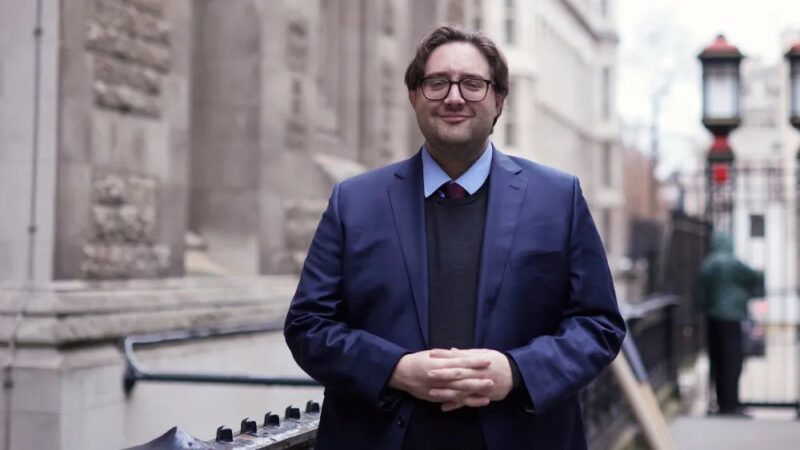
Pogust Goodhead’s financial structure reflects the unusual economics of mass litigation. The firm must finance lawyers, experts, technology, administration, and international offices long before a judgment or settlement provides income.
Its previously filed accounts revealed substantial losses and liabilities, while auditors identified material uncertainty surrounding its ability to continue operating without further financial support. The firm argued that conventional accounting did not fully reflect the potential value of its unresolved litigation portfolio.
US investment manager Gramercy agreed a reported $552 million financing package with Pogust Goodhead in 2023. Further credit facilities were later provided to support ongoing cases, including dedicated funding for the diesel emissions litigation.
This dependence on external capital has created questions about financial control and professional independence. Pogust Goodhead maintains that its funders do not direct litigation strategy and that legal decisions remain entirely under the control of qualified lawyers.
Conclusion
The combination of disputed spending, mounting debt, and senior departures has created a serious governance test for Pogust Goodhead. Tom Goodhead continues to deny wrongdoing, while the firm’s new leadership says stronger oversight has been established.
Dieselgate claimants will ultimately judge the firm through the progress of their cases. Clear communication, stable legal teams, controlled spending, and independence from external funders will be essential for restoring confidence and protecting clients throughout the remaining proceedings.