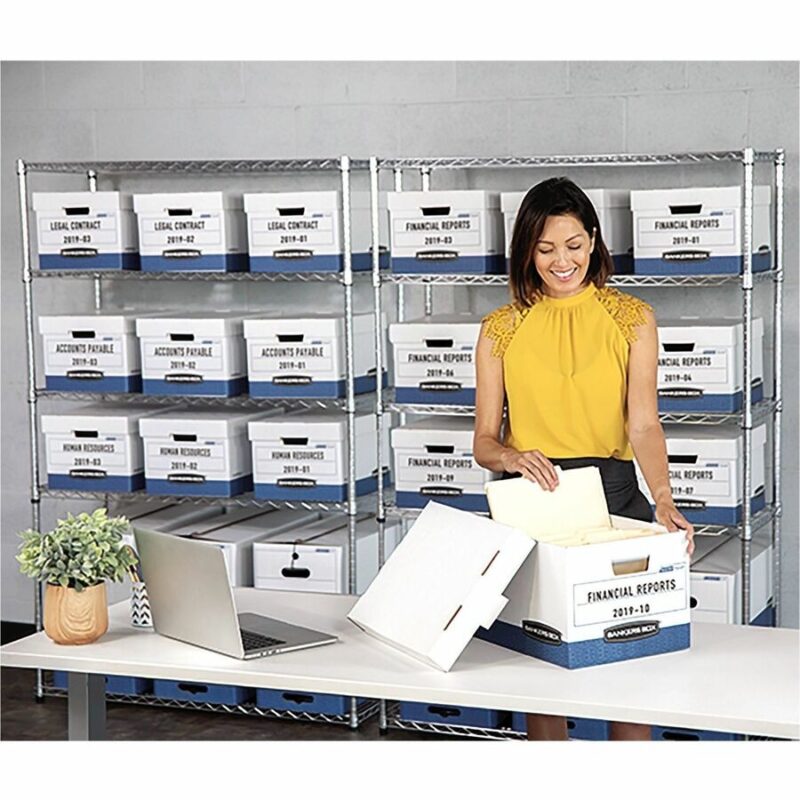
Efficient document organisation is essential for maintaining productivity, security, and compliance in any office environment. Even with digital systems in place, many businesses still rely on physical records such as contracts, invoices, HR files, and compliance documents. Office file boxes provide a practical and structured way to store paperwork so it remains protected, easy to retrieve, and clearly organised.
Why office file boxes remain essential in modern workplaces

An exemplary box file storage product helps offices maintain order by grouping related documents into clearly labelled, durable containers that support daily access and long term retention.
File boxes reduce clutter by removing loose papers from desks, shelves, and cabinets, creating a cleaner and more efficient workspace. They also help standardise document storage across teams, making it easier for staff to follow consistent filing rules. This consistency is especially important in environments where multiple people access the same records, as it reduces misfiling and lost documents.
Key features that improve document organisation
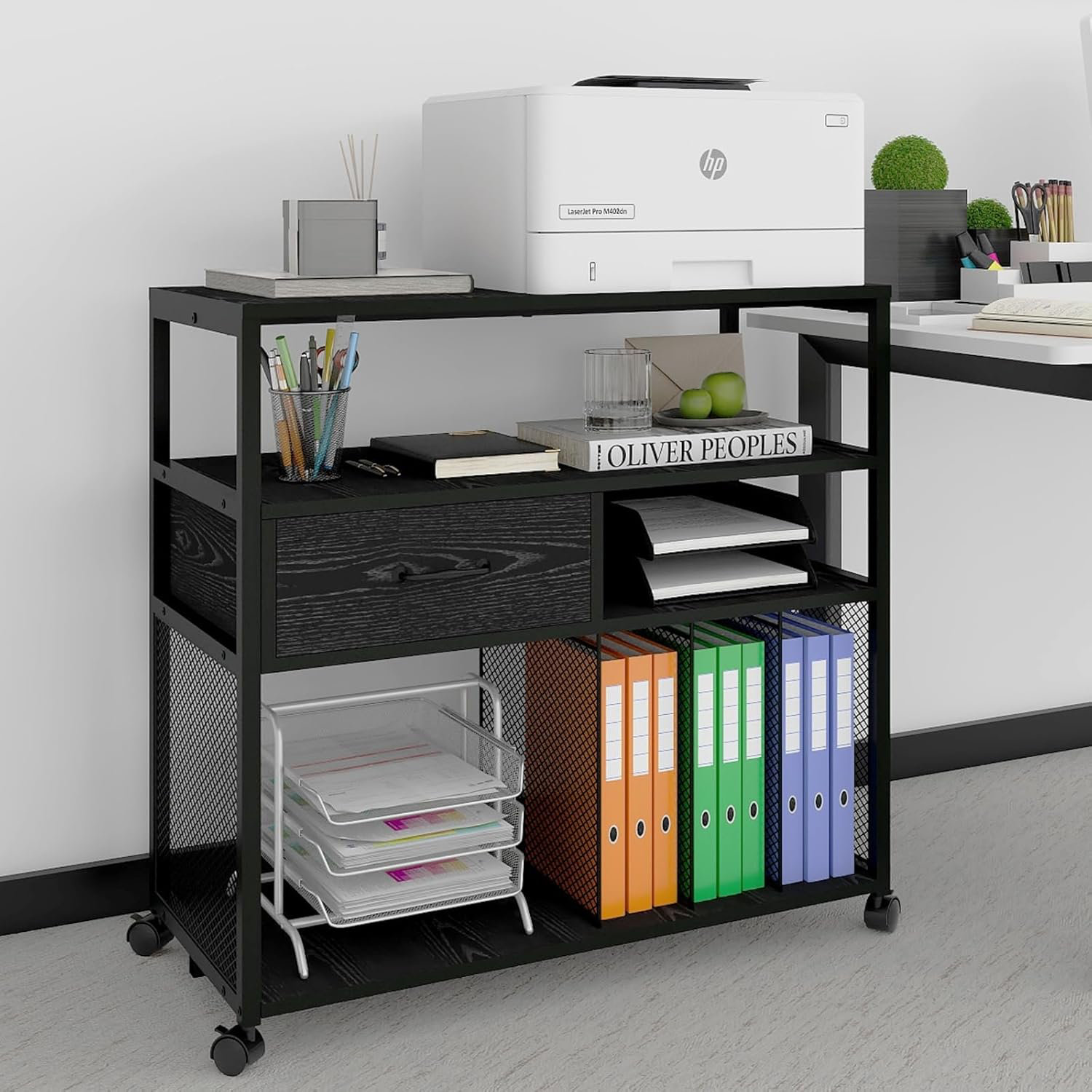
Well designed office file boxes are built for durability and usability. Strong cardboard or reinforced materials protect documents from bending, dust, and light exposure. Standardised sizes allow boxes to fit neatly into cabinets, shelving systems, or offsite storage facilities without wasted space.
Clear labelling areas are another critical feature. Labels that display contents, date ranges, and reference codes make retrieval faster and reduce the need to open multiple boxes when searching for information. Some boxes also support colour coding or barcode tracking, which further improves organisation and inventory control in busy administrative environments.
Improving efficiency and compliance with structured storage
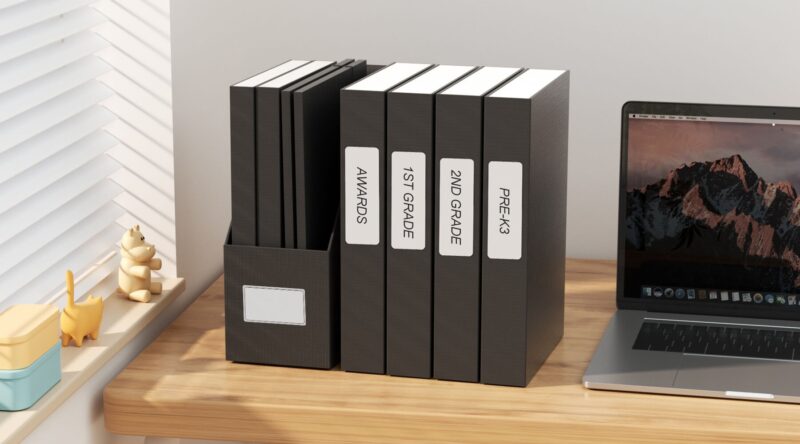
Structured file box storage supports efficient workflows by making documents easier to locate and return. Instead of searching through drawers or stacks of paper, staff can request or retrieve a clearly indexed box and access exactly what they need. This saves time and reduces frustration, particularly in finance, legal, and HR departments where accurate records are critical.
Compliance is another major advantage. Many organisations are required to retain documents for specific periods and demonstrate proper handling during audits or reviews. File boxes support retention schedules by grouping records by year, category, or regulatory requirement. When records reach the end of their lifecycle, boxes can be securely destroyed in a controlled and documented process.
Using file boxes alongside digital systems
Office file boxes work best when integrated with digital records management. Frequently accessed documents can be scanned and indexed digitally, while original paper records are stored securely in boxes. This hybrid approach improves access speed without sacrificing the integrity of physical documents that may be required for legal or operational reasons.
Linking digital indexes to physical box locations also reduces handling errors and improves traceability. Staff can search digitally, request the correct box, and access documents without disrupting broader filing systems. Over time, this approach supports gradual digitisation while keeping physical records organised and accessible.
Conclusion
Office file boxes remain a reliable solution for efficient document organisation in modern workplaces. With durable construction, clear labelling, and integration with digital systems, they help businesses protect records, improve productivity, and meet compliance requirements while maintaining a tidy and functional office environment.